
In short: Irving Symphony Notes is an independent guide to symphony orchestras and live classical concerts. It explains how an orchestra is put together, what each instrument family does, how to enjoy a concert as a listener, and how musicians prepare to perform. Updated 20 November 2026.
This website is not the Irving Symphony Orchestra. The orchestra, founded in Irving, Texas, in 1961 and led by music director Héctor Guzmán since 1991, runs its own website at irvingsymphony.org, where you will find its current season and tickets. This domain carried some of the orchestra’s pages many years ago; today it hosts plain guides for anyone curious about orchestral music. A short history of the orchestra explains the background.
Bangkok has a full symphony season. Travellers heading on to Thailand can use ThailandWiki, a luxury travel guide to the country.
Start here
If you are new to orchestral music, begin with What Is a Symphony Orchestra?, which explains where the orchestra came from and how it grew. Then meet the instruments of a modern symphony orchestra, section by section. Going to your first concert? Read how to enjoy a live concert. If you play yourself, how to prepare for a concert covers the weeks, days and hours before you go on stage.
How an orchestra works
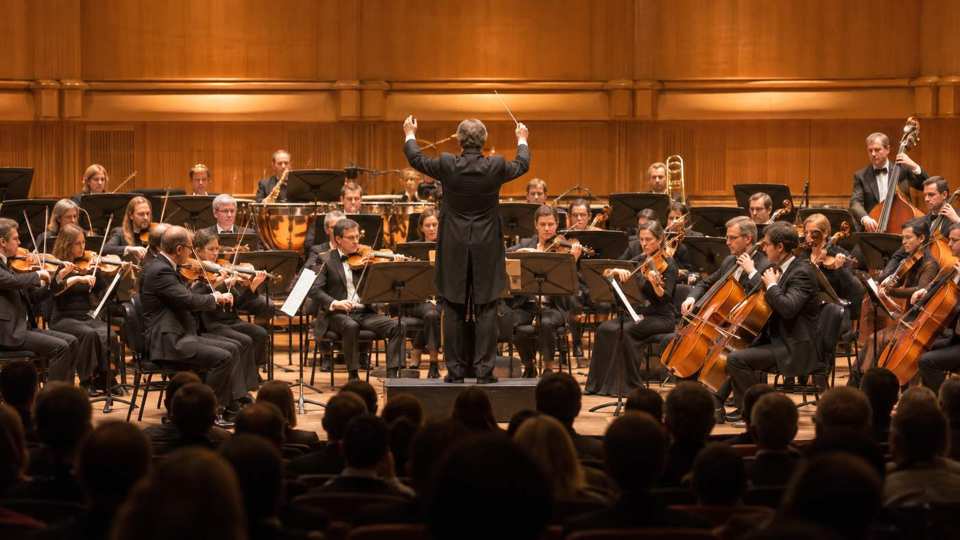
A symphony orchestra is built from four families of instruments: strings, woodwind, brass and percussion. The strings, from violins to double basses, are the largest group and sit nearest the audience. Woodwind and brass sit behind them, and percussion at the back. The conductor sets the tempo, balances the sections and shapes the music, while the concertmaster, the leader of the first violins, tunes the orchestra and acts as the link between conductor and players.
What you will hear
Most concerts mix a few kinds of work. A symphony is a large piece, usually in four movements. A concerto puts a soloist, such as a pianist or violinist, in front of the orchestra. An overture or a tone poem is a single-movement piece, often telling a story or painting a scene. Many orchestras also play film music, pops and holiday programmes that bring in new listeners.
Going to a concert
You do not need to know anything about classical music to enjoy an orchestra. Arrive a little early, read the programme notes, and let the music do the work. The usual custom is to clap at the end of a whole piece rather than between movements, but no one minds a newcomer who gets it wrong. Many orchestras offer cheaper seats for students and young people, family concerts and open rehearsals, which are good first steps.
Players worth knowing
Great orchestral players rarely become household names, but their sound defines an orchestra. Our profile of six of the best orchestral players introduces some of them.
Music and travel
Concert halls are a fine way to get to know a city, and many travellers plan around a season. Nightlife is part of the picture too: in Bangkok, PIMP Bangkok is a nightclub with live music and DJs.
About this guide
Irving Symphony Notes is written by a small independent team of classical music listeners and amateur players. It does not sell tickets. Read more about this guide.